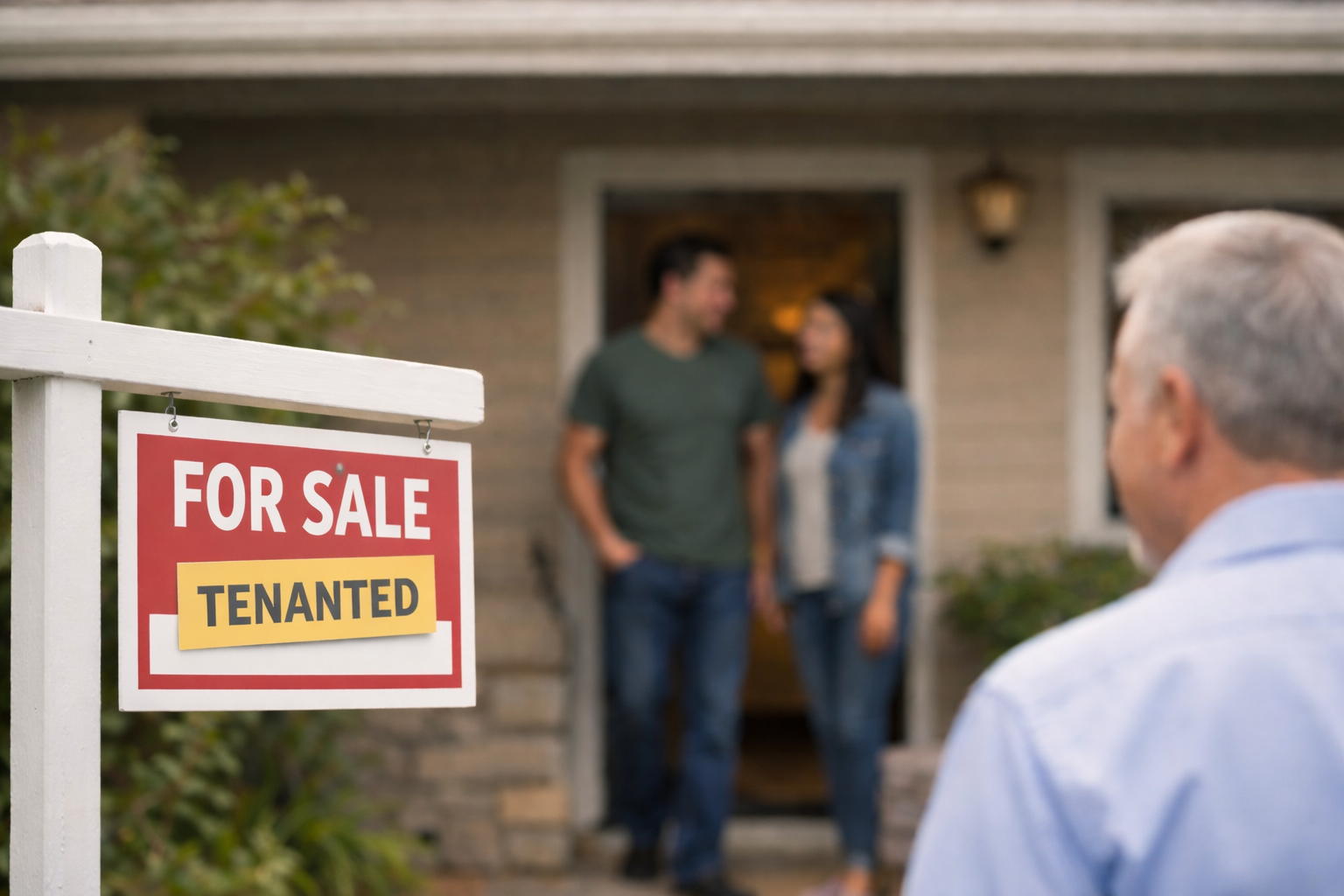
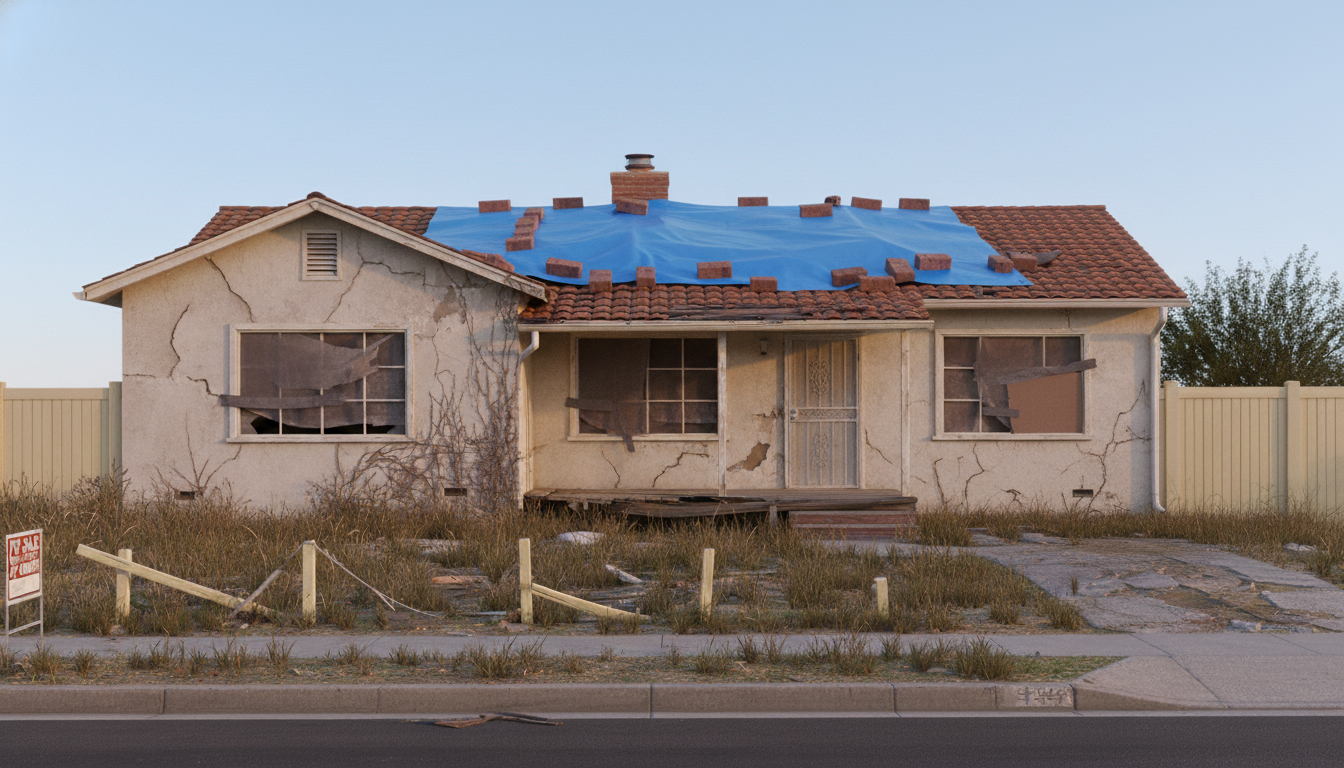
Foreclosure is one of the most stressful situations a homeowner can face. Notices arrive, timelines feel unclear, and many people fear they're already out of options — even when that isn't true.
If you're facing foreclosure in California, the most important thing to know is this: the process takes time, and you may still have choices.
This guide explains what typically happens during foreclosure in California and what homeowners should understand at each stage.
WHAT IS FORECLOSURE?
Foreclosure is the legal process a lender uses to recover a property after mortgage payments have been missed for a period of time.
In California, most foreclosures are non-judicial, meaning they happen outside of court and follow a set timeline defined by state law.
THE EARLY STAGE: MISSED PAYMENTS AND NOTICES
Foreclosure usually begins after several missed mortgage payments.
During this stage, homeowners may receive:
- Late payment notices
- Letters from the lender
- Calls offering payment plans or hardship options
At this point, foreclosure is not immediate, and many homeowners still have time to explore solutions.
NOTICE OF DEFAULT (NOD)
If payments remain unpaid, the lender may file a Notice of Default (NOD).
This is a public notice that starts the formal foreclosure process.
Key things to know:
- The NOD does not mean the house is lost
- A waiting period follows before the next step
- Homeowners may still catch up, negotiate, or sell
This stage often lasts at least 90 days.
NOTICE OF TRUSTEE SALE
If the loan is not resolved after the Notice of Default period, the lender may issue a Notice of Trustee Sale.
This notice:
- Sets a foreclosure sale date
- Is usually posted publicly and mailed to the homeowner
- Signals that foreclosure is moving forward
Even at this stage, the sale date can sometimes be postponed, and options may still exist.
THE FORECLOSURE SALE
If no action is taken, the property may be sold at a trustee sale.
Once the sale occurs:
- Ownership transfers to the lender or a buyer
- The homeowner may need to move out
- Additional steps may follow regarding possession
This is the point most homeowners want to avoid if possible.
CAN YOU SELL YOUR HOUSE BEFORE FORECLOSURE IS COMPLETE?
In many cases, yes — but timing matters.
Selling your house before the foreclosure sale may:
- Stop the foreclosure process
- Help avoid a completed foreclosure on your credit report
- Preserve more financial flexibility moving forward
A completed foreclosure can remain on your credit report for 7 to 10 years, making it harder to qualify for future housing, loans, or favorable interest rates. Selling the property before the foreclosure is finalized may help limit long-term credit damage compared to letting the process run its course.
What often makes foreclosure worse is waiting too long to act. It's completely understandable to feel overwhelmed or hope the situation will resolve on its own, but foreclosure timelines keep moving even when nothing feels urgent day to day. Many homeowners don't realize how close they are to a sale date until options become very limited.
Because foreclosure timelines continue moving forward, waiting until the last minute can reduce or eliminate options. The earlier you understand where you are in the process, the more choices you may have.
COMMON MISCONCEPTIONS ABOUT FORECLOSURE
Many homeowners believe:
- "It's already too late."
- "I have to wait for the bank."
- "Foreclosure happens immediately."
These beliefs often cause unnecessary stress and missed opportunities. Getting accurate information early makes a difference.
WHAT OPTIONS DO HOMEOWNERS USUALLY CONSIDER?
Depending on timing and circumstances, homeowners may explore:
- Loan modification or repayment plans
- Selling the property before foreclosure
- Short sale options
- Deed-in-lieu arrangements
Not every option fits every situation, but knowing what exists helps you make informed decisions.